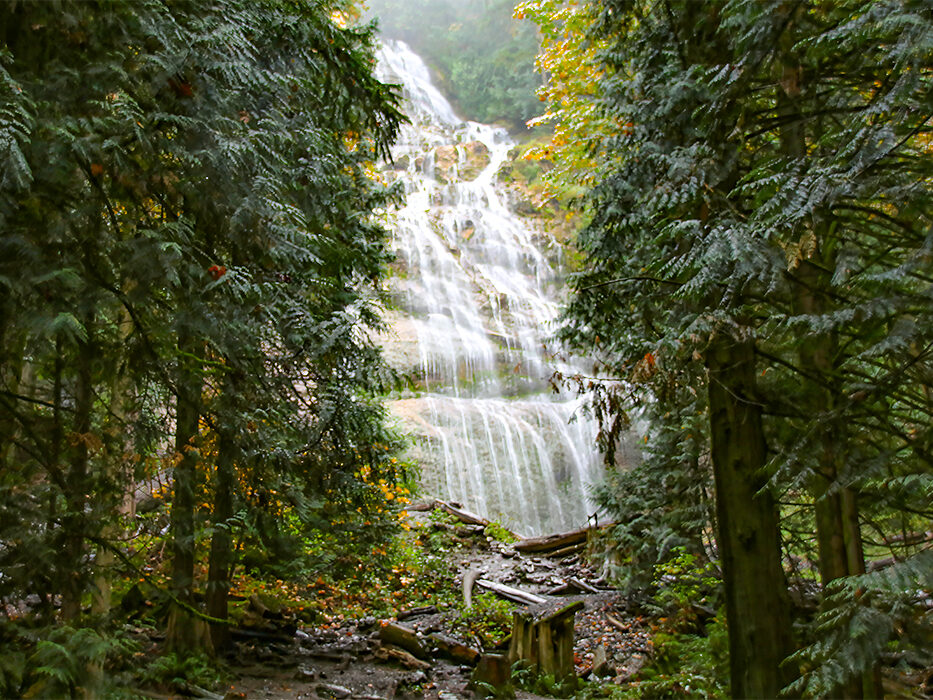
Western Red Cedar begins its journey as a tiny seed and grows into one of the most iconic trees of the Pacific Northwest. Known for its warm colour, soft texture, and long‑lasting durability, it has shaped forests, homes, and cultures for centuries. Today, Cascade Handcrafted celebrates the full lifecycle of this remarkable species — from seed to towering giant.
From Seed to Seedling
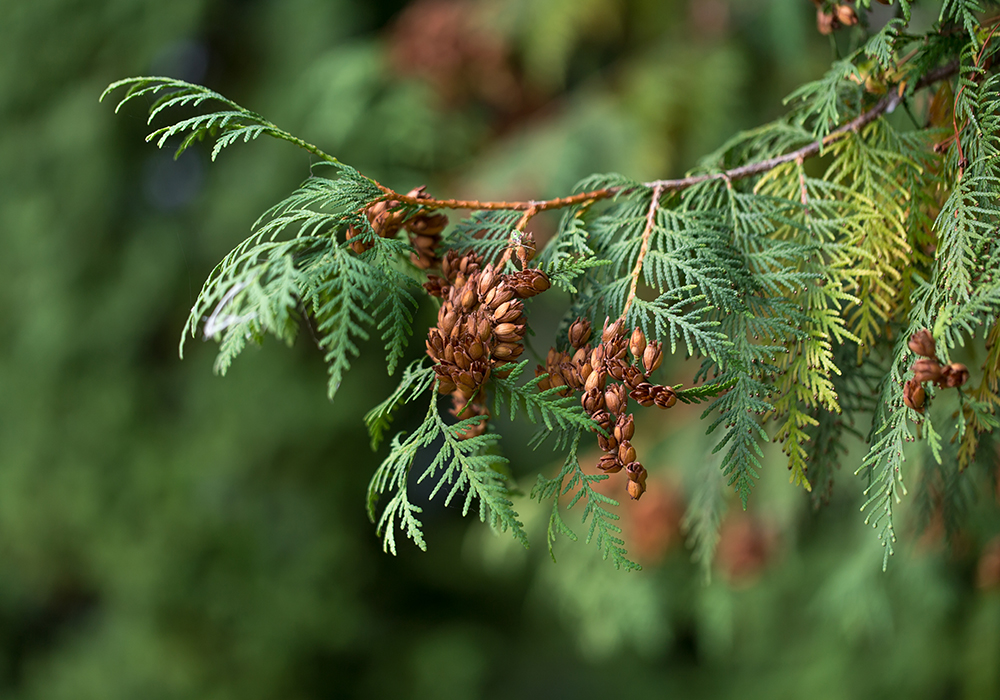
Western Red Cedar seeds develop inside small, brown cones that mature in late summer. As fall arrives, the cones open and release hundreds of tiny winged seeds. These seeds need light to germinate, along with cold, moist stratification for 30 to 60 days to break dormancy.
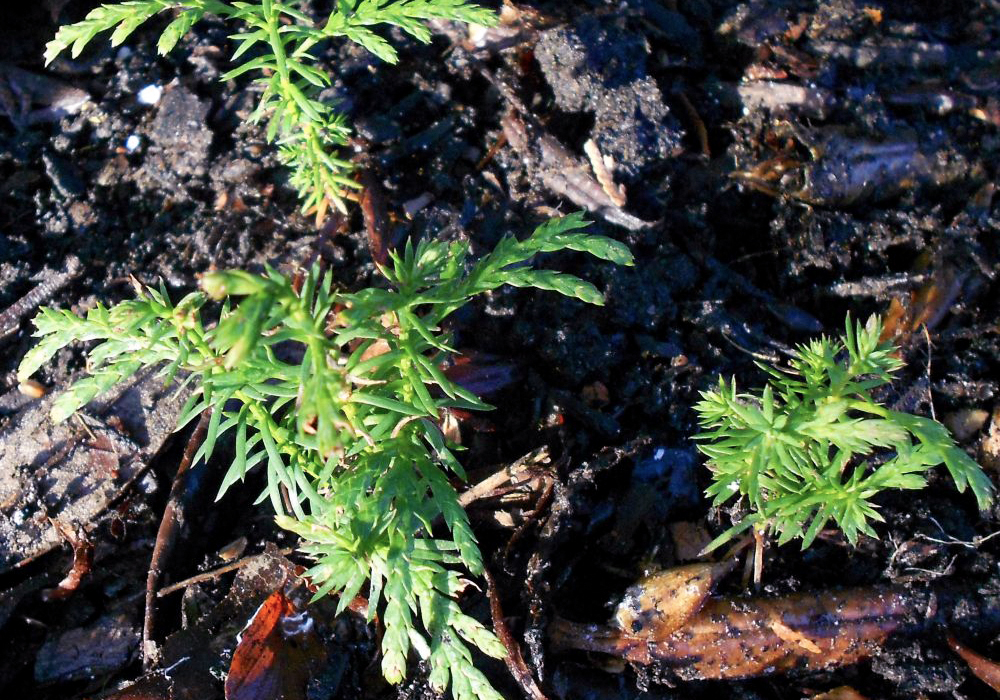
Once conditions are right, germination takes about 14 to 28 days. The first seedlings appear as delicate green sprouts with soft, scale‑like foliage. They thrive in moist, rich soils, especially along river valleys and shaded forest floors where natural moisture supports early growth.
How Western Red Cedar Grows
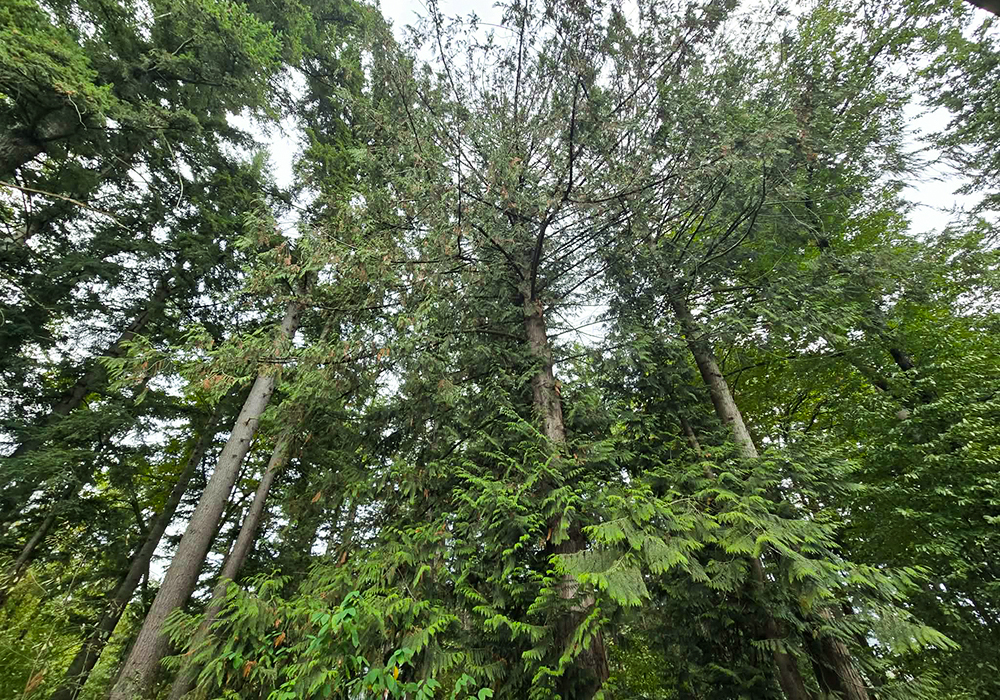
Western Red Cedar is a perennial conifer that can reach 120 to 150 feet tall, with some old‑growth giants exceeding 200 feet. Young trees grow in a neat pyramidal shape, while mature trees develop wide bases, fibrous red bark, and sweeping branches that drape downward.
Growth stages include:
- Seedling – tiny sprout with scale‑like leaves
- Juvenile tree – dense, pyramidal form
- Mature tree – tall trunk, fibrous bark, high canopy
- Old‑growth giant – centuries old, often over 1,000 years
The foliage forms flat sprays with a sweet, aromatic scent when crushed. These sprays help the tree shed snow, resist wind, and capture moisture from the air.
Built to Endure Weather
Western Red Cedar thrives in moist, cool climates and is naturally adapted to withstand rain, wind, and seasonal temperature changes. It prefers consistently moist soil and tolerates shade better than many conifers.
Its durability comes from natural oils and compounds that resist rot, fungi, and decay. Even fallen cedar logs can remain intact for decades. This natural resilience is one reason cedar is prized for exterior siding, shingles, and handcrafted homes.
Is Western Red Cedar Poisonous?
Western Red Cedar is not considered poisonous to humans or most pets. It is naturally rot resistant, and its oils make the wood unappealing to most insects, which is why cedar lasts so long in wet climates and remains a favourite for outdoor structures.
However, its wood and foliage contain natural compounds — including plicatic acid — that can cause:
- Respiratory irritation or asthma in sensitive individuals, especially woodworkers exposed to fine dust.
- Skin irritation or mild dermatitis for some people.
These reactions come from dust or oils, not from touching the tree in nature. Finished cedar products pose very low risk.
Why Western Red Cedar Matters
Western Red Cedar is a keystone species that supports birds, small mammals, and countless insects. Its longevity, fragrance, and resilience make it a defining part of our forests — and a trusted material for handcrafted homes.
Cascade Handcrafted honors this remarkable tree through sustainable building practices and a deep respect for the forests it comes from.
Drop by the Chilliwack site, request a free quote or call 1-604-703-3452 to speak directly to Markus and he will walk you through the options available to you, whether it is residential, commercial, renovations or custom floor plans, begin the journey towards your wood-based home today.