Life in the Woods
The Pacific Northwest has a long history of rugged forestry work, and the daily routine of a lumberjack was shaped by strength, endurance, and respect for the forest. Their days started early, ended late, and demanded full focus from the moment they stepped out of the bunkhouse. While modern logging has changed with new tools and safety standards, the rhythm of the job still reflects the same determination that built the region’s timber legacy.
Early Mornings and Heavy Meals
Lumberjacks began their mornings well before sunrise. Camps served large breakfasts because the work required intense physical effort. Historical records show that loggers often consumed 6,000 to 8,000 calories a day to keep up with the demands of cutting, hauling, and climbing through steep terrain. Breakfast usually included flapjacks, eggs, bacon or ham, bread, and strong coffee. These meals were simple but designed to keep crews energized for long hours in the woods.
Once fed, the men headed out to the timber. The walk alone could take time, especially in older camps where access roads were limited. By first light, saws were already biting into the trees.
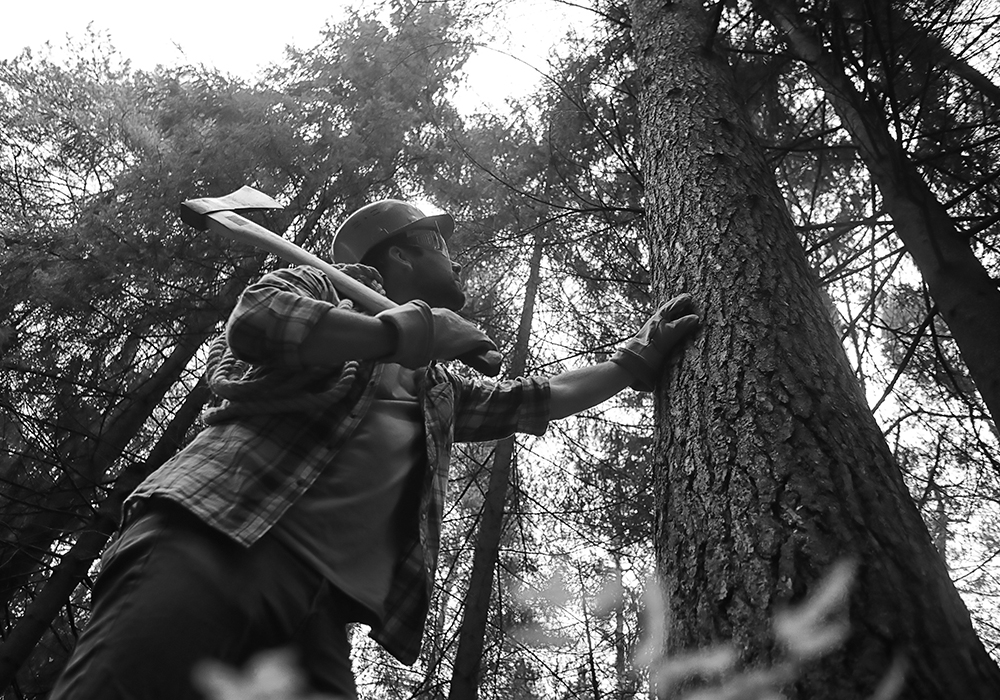
Long Hours and Limited Rest
Logging days were long. Many crews worked 10 to 12 hours, often six days a week. Breaks were short and usually happened only when tools needed sharpening or when the foreman called a pause. Lunch was carried into the woods and eaten quickly. A typical meal included meat sandwiches, boiled eggs, fruit, and a slice of pie or cake. It was fuel, not leisure.
Even today, surveys of Pacific Northwest loggers show that over 90 percent report a very high work pace, with limited downtime during shifts. The job still demands focus, teamwork, and physical strength.
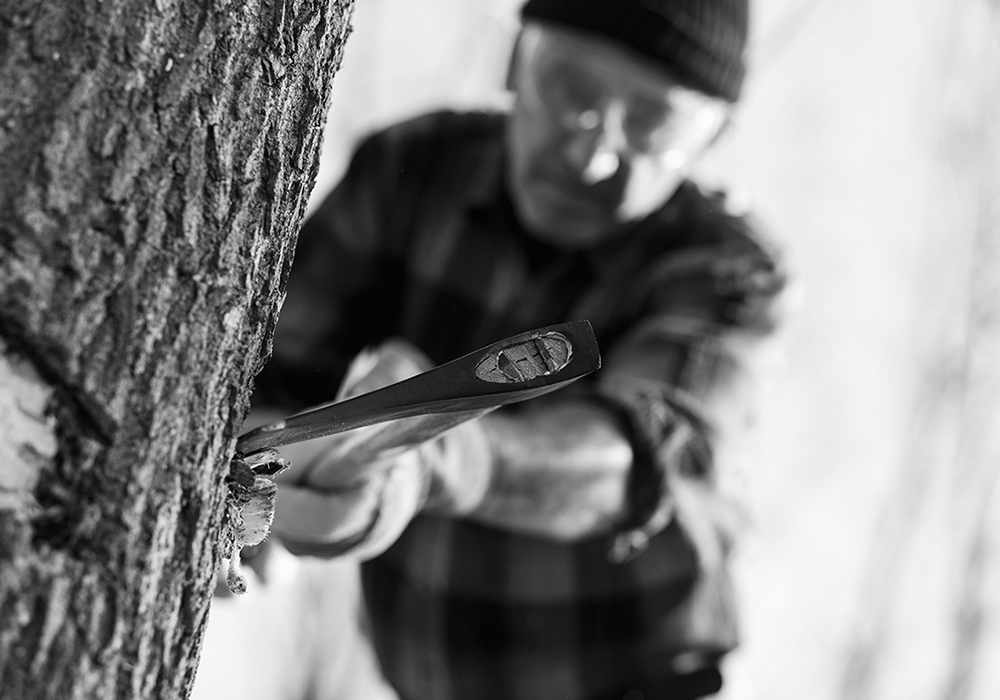
Danger in Every Step
Logging has always been one of the most dangerous professions in North America. Early crews faced falling snags, rolling logs, misfired saws, and unpredictable terrain. Modern statistics show that logging remains high‑risk, with injury rates well above the national average for other industries. Heavy machinery, steep slopes, and fast‑changing weather add to the challenge.
In the early days, safety gear was minimal. Today, helmets, high‑visibility clothing, and advanced equipment help reduce accidents, but the work still requires constant awareness. A single misstep can lead to serious injury.

Evenings in Camp
After a long day, lumberjacks returned to camp tired and hungry. Dinner was hearty and often included stews, roasts, potatoes, vegetables, and fresh bread. Evenings were spent repairing gear, sharpening saws, or resting in the bunkhouse. Some camps offered small comforts like card games or music, but most men simply needed sleep before the next day’s work.
A Legacy of Strength
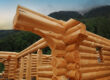
The routine of a Pacific Northwest lumberjack was built on endurance, skill, and respect for the forest. Their work shaped communities, supplied industries, and created the foundation for today’s handcrafted timber homes. Timber Tuesday celebrates that legacy and the people who carried it forward.
Drop by the Chilliwack site, request a free quote or call 1-604-703-3452 to speak directly to Markus and he will walk you through the options available to you, whether it is residential, commercial, renovations or custom floor plans, begin the journey towards your wood-based home today.