Extreme Cold Highlights the Importance of Insulation
Temperatures in many northern regions routinely plunge to minus twenty‑two degrees and beyond, a reality that underscores how vital durable, well‑sealed insulated log homes are when facing long stretches of extreme cold.
How Log Cabins Store Heat
A well‑designed log cabin is easier to heat and keep warm. Full log walls act like a natural thermal battery, storing heat and releasing it slowly over time. This steady heat retention helps maintain a comfortable indoor temperature even when the weather outside is severe.
Log Cabins in Harsh Winter Climates
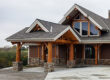
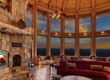
Handcrafted log cabins in Northern Canada, Alaska and Russia regularly stay warm and cozy in minus forty‑degree temperatures. When built with solid log walls and paired with a wood or gas fireplace, they perform exceptionally well in extreme cold.
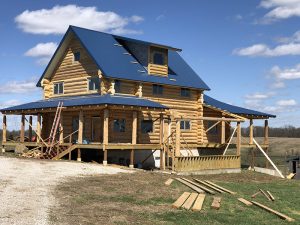
Full log walls
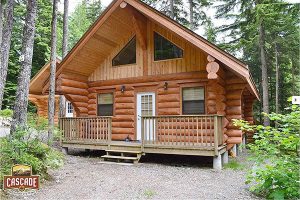
Full log walls in a log cabin
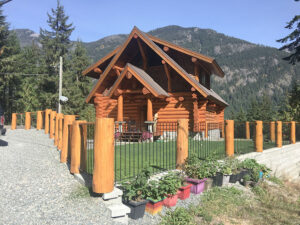
Logs as Natural Insulation
Traditional handcrafted log homes do not use pre‑fabricated insulation inside the walls. The logs themselves provide the insulation. Their natural structure helps regulate indoor temperatures without relying on additional materials.
Why Western Red Cedar Performs Best
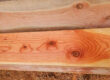
Western Red Cedar’s naturally low density and abundant air pockets give it exceptional insulating strength, making it one of the most effective thermal barriers among widely used softwoods. In climates where winter temperatures routinely plunge well below freezing, that built‑in insulation becomes a major advantage. Cedar outperforms materials like brick, concrete and steel because it slows heat transfer instead of conducting it. When builders use larger‑diameter logs, the added mass further boosts thermal retention, helping homes stay warmer for longer and reducing the strain on heating systems during prolonged cold spells.
Western Red Cedar has low density (≈21 lb/ft³) and a cellular structure filled with air‑filled lumens, which significantly reduces thermal conductivity. This is why it delivers an R‑value of about 1.35 per inch, placing it among the best insulators in commonly used softwoods.
Thermal conductivity data confirms:
- Wood (including cedar): ~0.14 W/m·K
- Concrete: 1.5–1.8 W/m·K
- Stone: ~1.5 W/m·K
- Steel: ~50 W/m·K
Lower conductivity means better insulation. Wood is dramatically lower than concrete and steel, making cedar a far better thermal barrier.


Drop by the Chilliwack site, request a free quote or call 1-604-703-3452 to speak directly to Markus and he will walk you through the options available to you, whether it is residential, commercial, renovations or custom floor plans, begin the journey towards your wood-based home today.