A Technical Look at How Western Red Cedar and Douglas Fir Manage Sound
Builders, architects, and installers know this: the way a structure sounds tells you a lot about how it’s built. In handcrafted log construction, acoustics aren’t just a comfort feature — they’re a direct reflection of timber density, joinery accuracy, moisture stability, and wall mass.
For Timber Tuesday, here’s a technical breakdown of why Western Red Cedar and Douglas Fir create a superior acoustic environment in a handcrafted log home.
Material Density and Mass: The Core of Log Home Acoustics
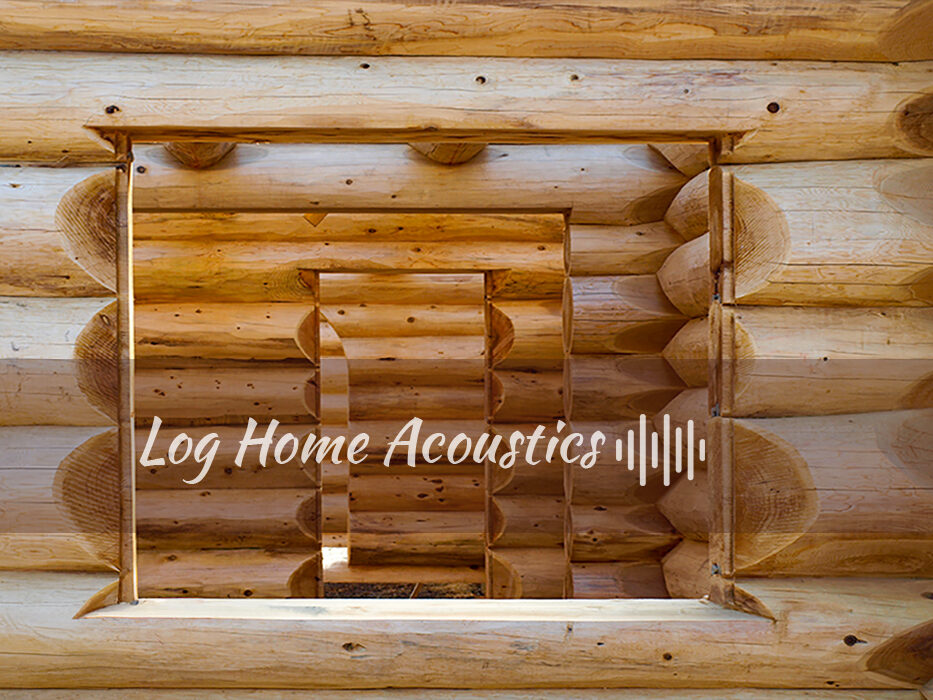
Log home acoustic performance is directly tied to the quality of the joinery. A poorly fitted notch creates micro‑gaps that allow sound transmission. A tight scribe fit eliminates those pathways.
Cascade’s hand‑scribed joinery creates:

In a handcrafted log wall, each log acts as a continuous mass barrier. There are no hollow cavities, no thin membranes, and no air gaps for sound to travel through. This is why log homes outperform standard 2×6 walls in both airborne noise reduction and impact sound control.
Joinery Precision and Acoustic Tightness
Sound control starts with mass. Western Red Cedar and Douglas Fir both offer high mass compared to conventional framing, but they behave differently:
Builders know the sound of a proper fit — that deep, solid “thud” when a notch seats cleanly. That sound is more than satisfying; it’s an indicator of acoustic integrity.
Log Diameter and Frequency Control
Larger‑diameter logs don’t just look impressive — they shift the acoustic profile of the home.
This creates a balanced interior sound environment without the need for added insulation or acoustic panels.
Douglas Fir vs. Western Red Cedar: Acoustic Behavior in Practice
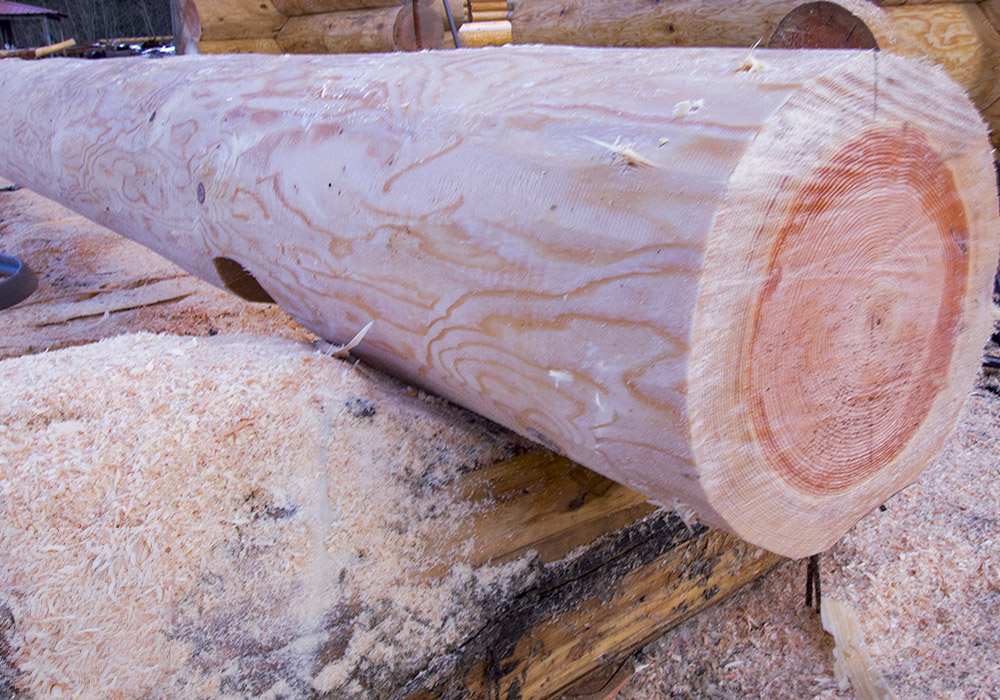
Douglas Fir
Western Red Cedar
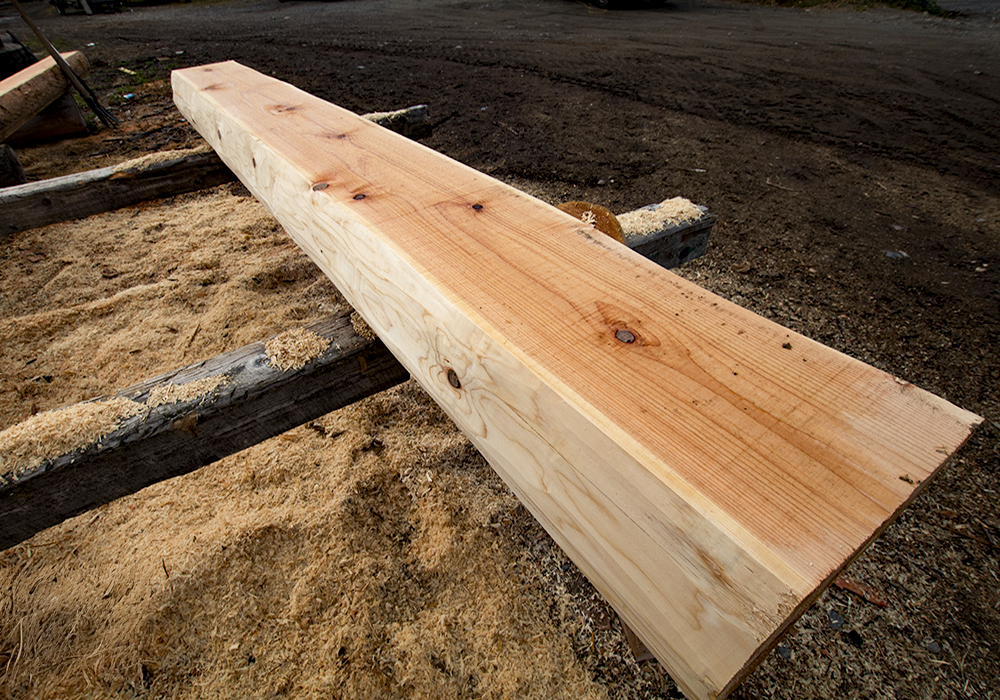
Used together, they create a hybrid acoustic system: Fir for structural stability and vibration control, Cedar for warmth and sound absorption.
Interior Experience: Why Builders Notice It First
Professionals pick up on acoustic cues immediately:
These are the signs of a well‑built handcrafted log home — and they’re all tied to timber selection and joinery accuracy.
The Takeaway
Acoustics aren’t an afterthought in log construction. They’re a direct result of: