Tools, Technique, and the Beauty of Imperfection
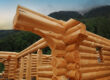
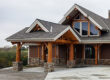
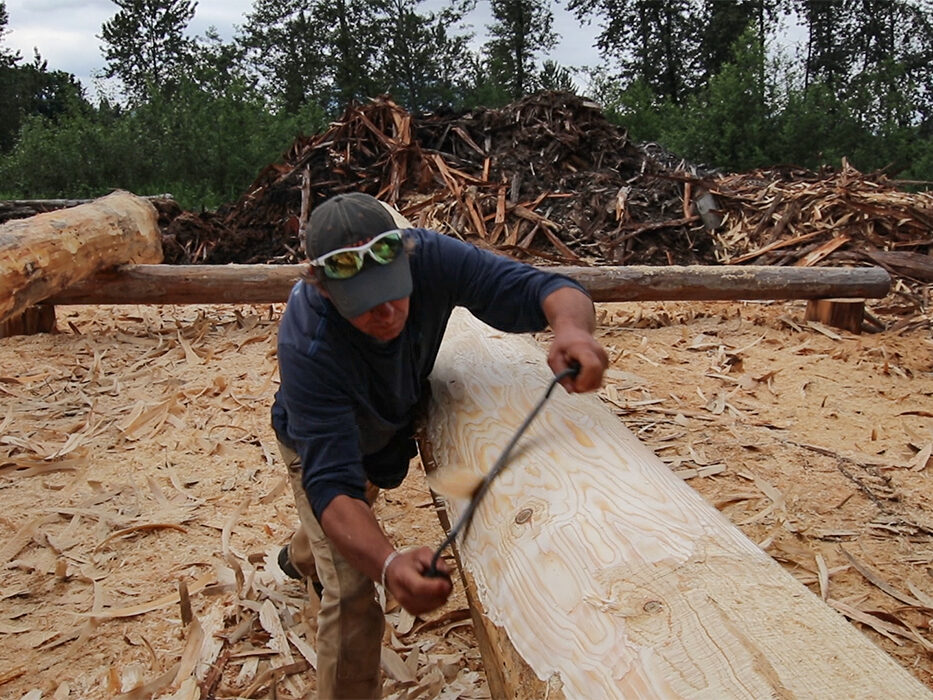
Hand‑peeling logs is one of the most important steps in building a handcrafted log home. It is also one of the most traditional. Before a log becomes part of a wall, it is shaped by hand with simple tools and skilled technique. At Cascade Handcrafted Log Homes, we use hand‑peeling to bring out the natural beauty of each log and to create the warm, organic look our homes are known for.
Why Hand‑Peeling Matters in Log Home Building
Every handcrafted log home begins with a raw log. When the logs arrive in the yard, our builders study each one. They look at the grain, the knots, and the natural shape. No two logs are the same, and that is part of what makes a handcrafted log home so special. Hand‑peeling helps reveal the character of the wood and prepares it for the next steps in the building process.
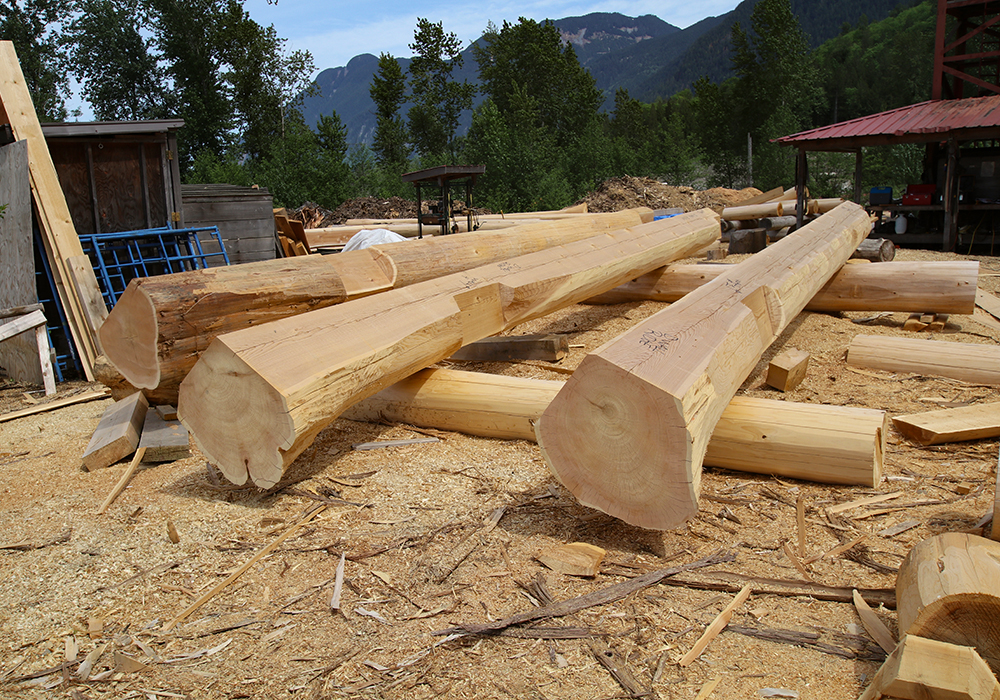
Machine‑peeled logs can look flat and uniform. Hand‑peeled logs keep their natural lines and texture. This gives the home a warm, timeless look that many homeowners love. It also helps the logs age well and stay strong for years to come.
The Drawknife: A Simple Tool With a Big Role
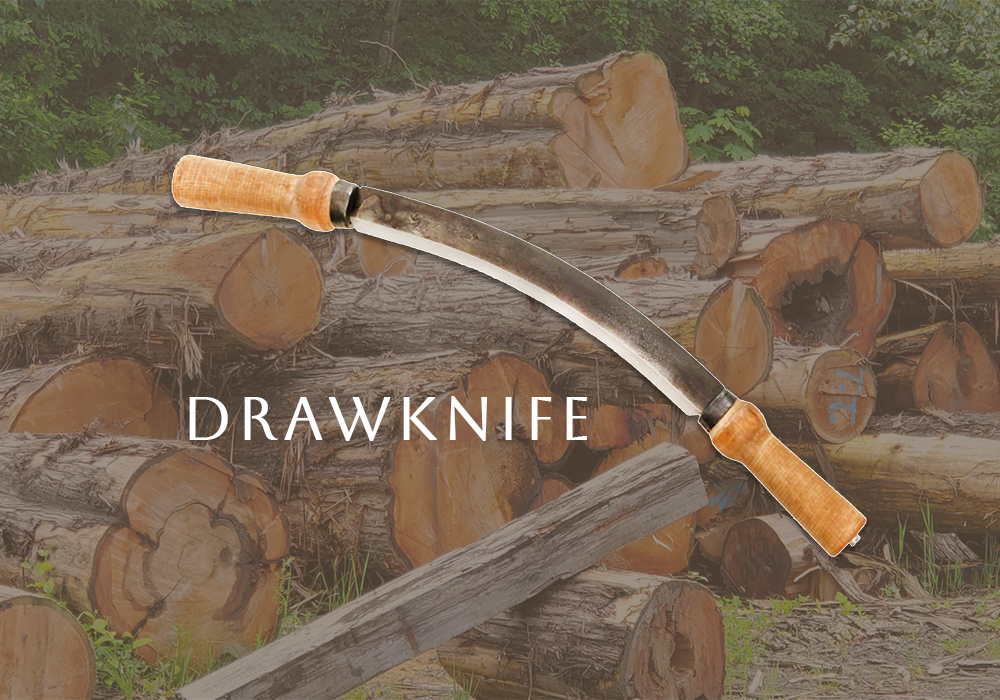
The main tool used in hand‑peeling is the drawknife. It has two handles and a sharp blade. The builder pulls it toward themselves to remove the bark and the thin layer beneath it. The motion is simple, but it takes skill to do it well.
Too much pressure can cut too deep. Too little pressure leaves rough spots behind. With practice, the builder learns how each log responds. This hands‑on work creates a close connection between the builder and the wood. It is one of the reasons handcrafted log homes feel so personal and unique.
A Technique Built on Patience and Skill
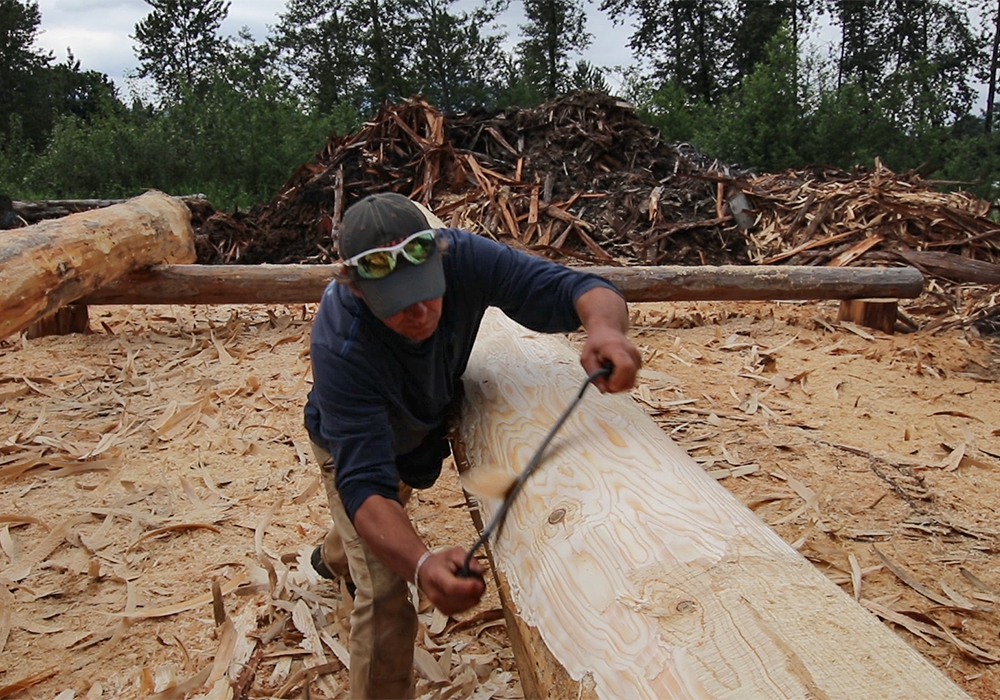
Hand‑peeling is a slow and steady process. The builder works in long strokes, following the natural shape of the log. They move around the log, adjusting their angle as the grain changes. Some areas peel easily. Others take more time. The work feels almost like carving. It is calm, focused, and deeply connected to the material.
As the bark comes off, the grain becomes clear. The builder can see how the log will fit with others later in the build. They notice curves, knots, and small details that matter when the home is assembled. This early understanding helps create a tight, precise fit in the final structure.
The Beauty of Imperfection
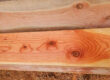
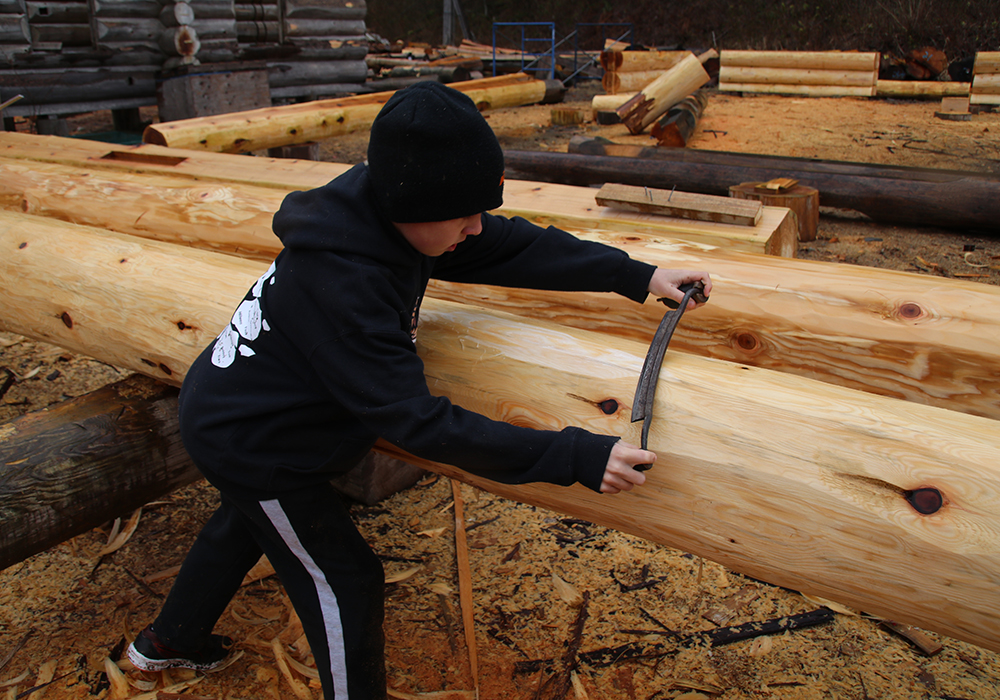
Hand‑peeled logs do not look the same from end to end — and that is the point. The small marks left by the drawknife give the wood a soft, natural texture. Light moves across the surface in a warm, gentle way. These details make the log feel alive and full of character.
This “imperfect” finish is one of the most loved features of handcrafted log homes. It shows the work of real hands and the natural story of the tree. It also creates a look that cannot be copied by machines.
A Strong Start for a Long‑Lasting Home
Hand‑peeling also helps the log stay strong over time. Removing the bark by hand keeps the dense outer layer of wood intact. This layer protects the log from weather and helps it dry in a steady, even way. A well‑peeled log is less likely to crack and more likely to stay stable for many years.
Craftsmanship You Can Feel
In a world full of machines, hand‑peeling stands out. It takes time and effort, but it creates a finish that feels warm, honest, and full of life. When you touch a hand‑peeled log, you can feel the care that went into it. You can feel the craft.
At Cascade Handcrafted Log Homes, we believe these details matter. Hand‑peeling is not just a step in the process. It is part of the heart of every handcrafted log home — a blend of tradition, skill, and the beauty of imperfection.
 Drop by the Chilliwack site, request a free quote or call 1-604-703-3452 to speak directly to Markus and he will walk you through the options available to you, whether it is residential, commercial, renovations or custom floor plans, begin the journey towards your wood-based home today.