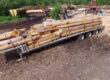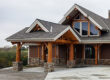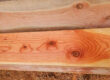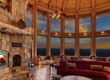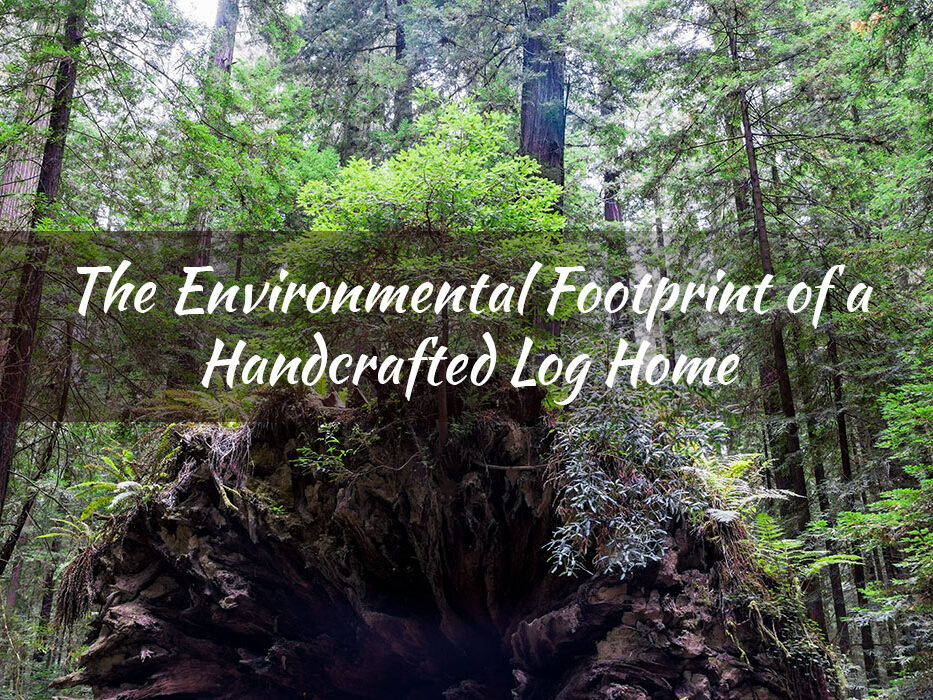
When people think about log homes, they often picture natural beauty, West Coast craftsmanship, and the warm feel of real timber. Every handcrafted log home tells a story that begins long before anyone cuts the first tree and continues long after the builders finish the home.It’s the story of sustainability, carbon storage, and responsible building practices.
A handcrafted log home is more than a structure. It’s a long‑lasting, low‑impact way to build, especially when the wood comes from British Columbia’s well‑managed forests.
Carbon Storage Starts in the Forest
Trees absorb carbon dioxide as they grow. When a tree becomes part of a log home, that carbon stays locked inside the wood for the entire life of the structure. This is one of the biggest environmental advantages of building with timber.
A handcrafted log home can store carbon for decades — often for a century or more. Instead of releasing carbon back into the atmosphere, the logs continue to hold it, acting as a long‑term carbon bank. This makes wood one of the most climate‑friendly building materials available today.
Low Waste Milling and Handcrafted Efficiency
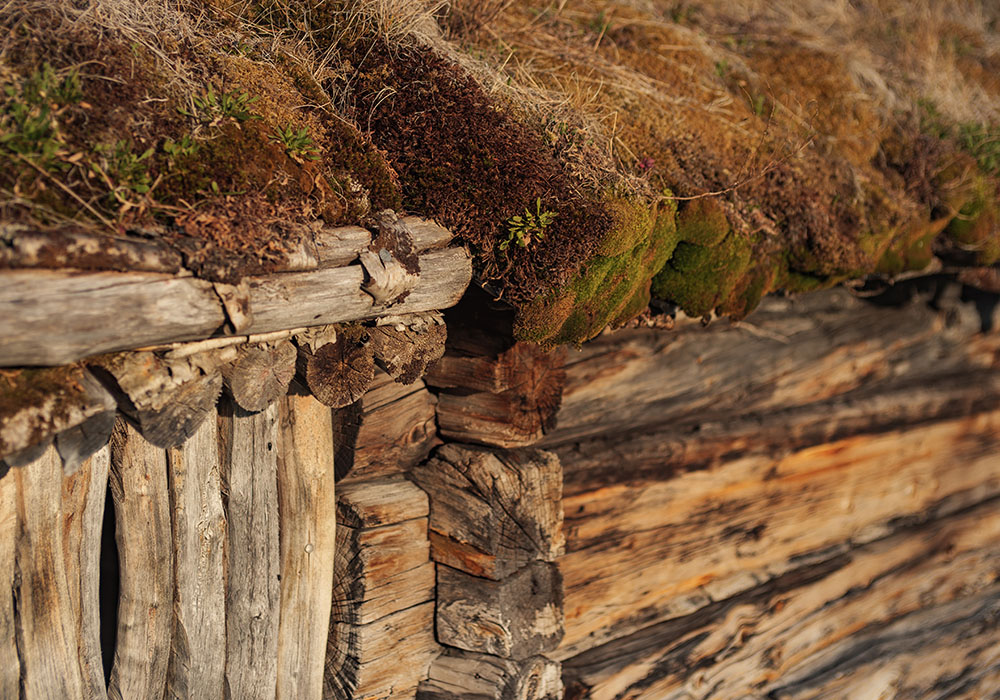
A handcrafted log building is naturally low‑waste. We use each log in its full form, making only small cuts and wasting very little. When we remove bark or offcuts, we often repurpose them for mulch, firewood, or other wood‑based products.
Because we shape the logs by hand, we avoid the heavy industrial milling that creates large amounts of sawdust and scrap. We choose, peel, scribe, and fit every log with intention. This approach reduces waste and keeps more of the tree’s natural strength intact.
A Long Lifespan Means a Smaller Footprint
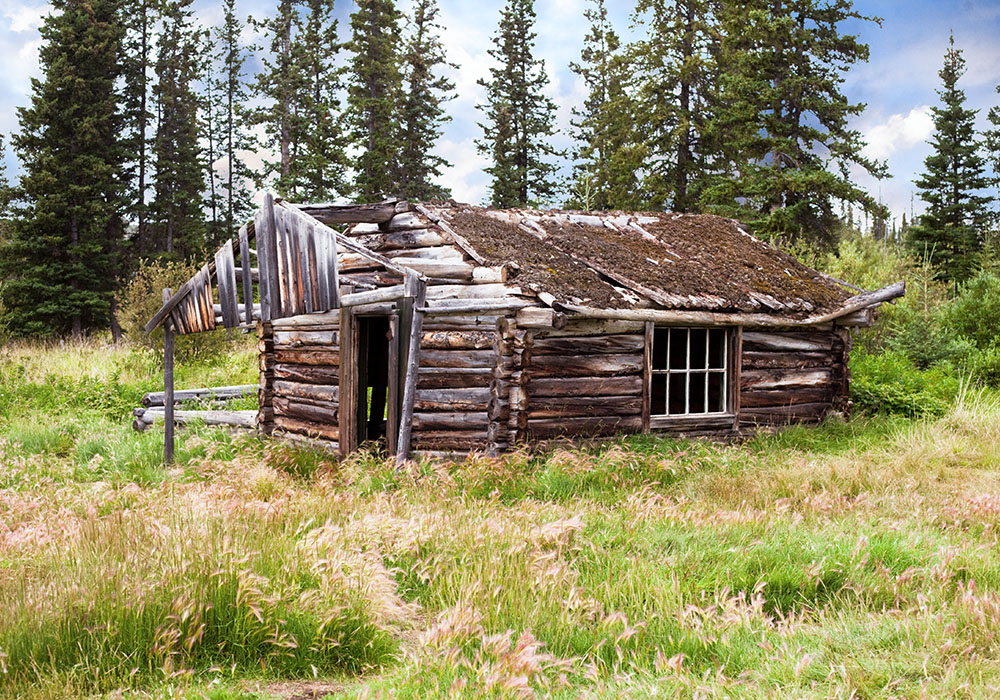
A well‑built handcrafted log home can last for generations. Many log homes in Canada, the United States, and Scandinavia are still standing after 100 to 200 years. Long lifespan is one of the most key factors in reducing a building’s environmental footprint.
When a home lasts longer, fewer materials are needed over time. There’s less demolition waste, fewer rebuilds, and fewer resources used for repairs. A handcrafted log home is built to endure weather, time, and changing styles — which means its environmental impact stretches out over a much longer period.
BC Forestry Practices Support Healthy Forests
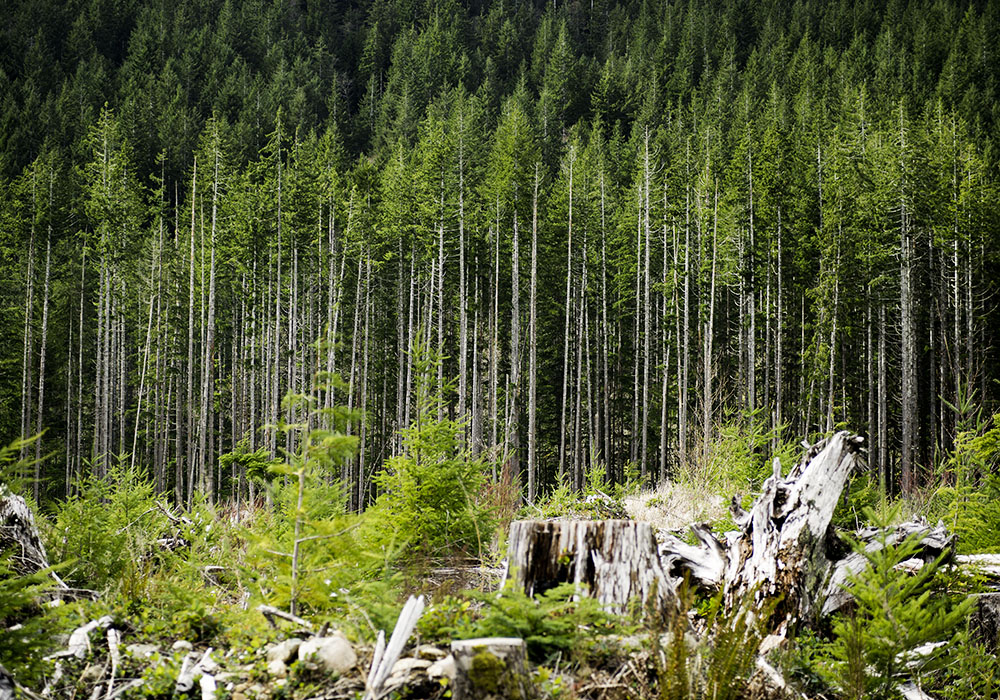
British Columbia is known for some of the most carefully managed forests in the world. Selective harvesting, replanting programs, and strict sustainability standards help ensure that forests remain healthy and productive.
The logs used in handcrafted homes often come from areas where trees are harvested responsibly, with new seedlings planted to replace them. This cycle supports biodiversity, reduces wildfire fuel, and helps maintain strong forest ecosystems.
By choosing BC timber, homeowners support a renewable resource that is monitored, protected, and replanted for future generations.
A Home That Works with Nature, Not Against It
A handcrafted log home is more than a beautiful place to live. It’s a building method that respects the land, uses natural materials wisely, and stores carbon instead of releasing it. With low‑waste craftsmanship, long‑lasting construction, and sustainable BC forestry behind every log, these homes offer a smaller environmental footprint from start to finish.
For homeowners who want a home that feels grounded, natural, and responsible, a handcrafted log home is one of the most sustainable choices available today.
The log yard is where that journey begins — with the scent of cedar, the skill of true craftsmen, and the promise of a home built to last.
 Drop by the Chilliwack site, request a free quote or call 1-604-703-3452 to speak directly to Markus and he will walk you through the options available to you, whether it is residential, commercial, renovations or custom floor plans, begin the journey towards your wood-based home today.