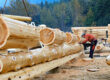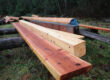
Wood tells a story long before it becomes part of a home. Every log carries the marks of the place where it grew. Wind, cold, storms, soil, insects, and even the slope of a hill leave their trace in the grain. These natural forces shape the strength, color, and character of the wood. When these logs are used as feature posts in a post‑and‑beam home, they bring that story indoors. They add warmth, depth, and a sense of place that no manufactured material can match.
The Power of Weather
Weather is one of the biggest forces that shapes a tree. A tree that grows in harsh conditions often becomes stronger. Cold winters slow the growth of the tree. This creates tight growth rings, also known as “Late wood”, which make the wood dense and durable. Logs from cold climates often have a fine, even grain that looks beautiful when sanded and finished.
Wind also plays a role. Trees that grow in windy areas learn to bend and flex. Over time, this creates subtle twists or curves in the trunk. These shapes can turn into striking visual features when the log is used as a feature post. A slight sweep or gentle curve adds movement and interest to a room. It reminds us that the wood was once alive and adapting to the world around it.
Life on a Hillside
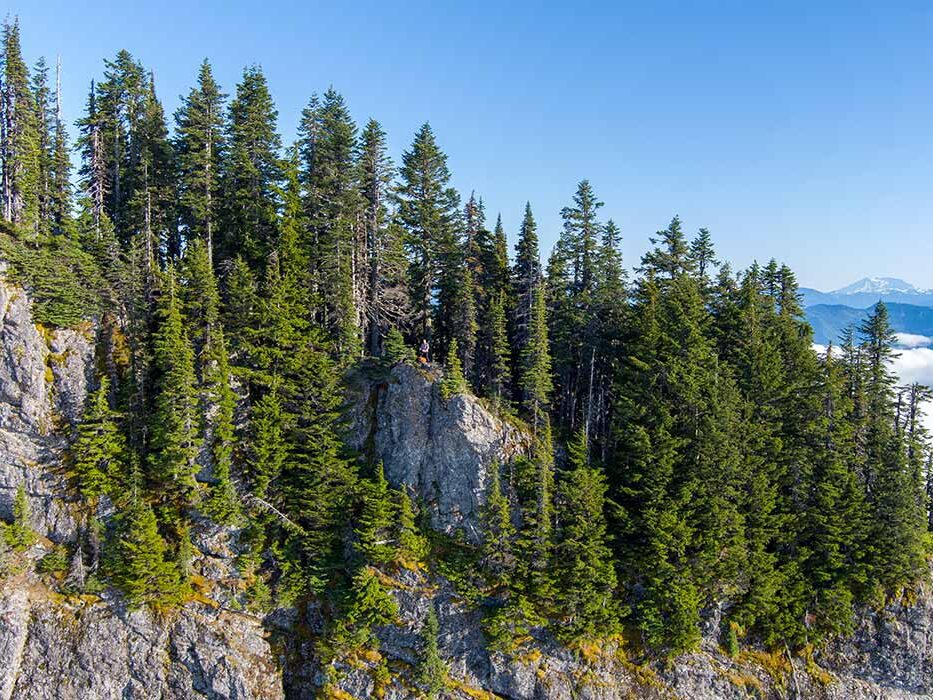
Trees that grow on the side of a hill face a different challenge. They reach for the sun while also fighting gravity. This creates what builders call “reaction wood.” On the uphill side, the wood becomes strong and compressed. On the downhill side, the wood stretches and grows in a different pattern. The result is a log with unique grain lines and a shape that is never perfectly straight.
In a post‑and‑beam home, these hillside logs make incredible feature posts. Their slight lean or taper gives the space a natural, organic feel. Instead of a perfect cylinder, you get a post with personality. It feels grounded, real, and connected to the land.
Marks Left by Storms
Nature leaves its marks in bold ways too. Lightning strikes can scar the bark and leave dramatic lines along the trunk. These marks do not weaken the wood once the tree is milled and dried. Instead, they become a visual highlight. A lightning scar can look like a hand‑drawn line, a natural engraving, or a piece of art created by the sky itself.
Heavy snow can also shape a tree. Long winters with deep snow can bend young trees. As they grow, they keep some of that curve. When used as a feature log, this curve adds charm and movement to the structure. It feels like a quiet nod to the seasons the tree survived.
The Art Left Behind by Insects
Insects also leave their own kind of mark on a tree. Beneath the bark, small beetles known as “Boring bugs” and other insects create winding trails as they move through the outer layers of wood. These trails form natural patterns that look almost like hand‑carved designs. When the bark is removed, the markings are revealed as delicate lines, curves, and shapes that trace the life of the insect.
These patterns do not harm the structural strength of the log once it is dried and prepared. Instead, they add a layer of visual interest that feels both wild and artistic. In a post‑and‑beam home, a log with insect markings becomes a conversation piece. The patterns catch the light, draw the eye, and add a sense of history and texture that cannot be replicated by machines. It is nature’s own engraving, left behind in quiet detail.
Soil, Sun, and Water
Even the ground beneath the tree plays a part. Rich soil creates fast growth and wide rings. Dry soil creates slow growth and tight rings. Trees that grow near water may have more color variation. Trees that grow in full sun may have stronger, more defined grain. All these details show up in the finished log.
When these logs are peeled, sanded, and finished, the grain comes alive. You can see the years of growth, the shifts in weather, the marks of insects, and the rhythm of the seasons. No two logs ever look the same.
Why These Logs Make Beautiful Feature Posts
In a post‑and‑beam home, feature logs are more than structure. They are art. They bring nature indoors in a way that feels honest and warm. A log shaped by wind, cold, storms, insects, or hillside soil has a story that you can see and feel. These natural marks add depth to the space. They make the home feel rooted and timeless.
When you choose logs shaped by the environment, you are not just choosing wood. You are choosing history, character, and beauty that only nature can create.
 Drop by the Chilliwack site, request a free quote or call 1-604-703-3452 to speak directly to Markus and he will walk you through the options available to you, whether it is residential, commercial, renovations or custom floor plans, begin the journey towards your wood-based home today.